
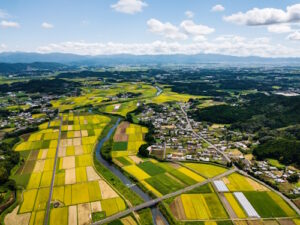
Climate adaptation is woven into everyday decisions across landscapes, settlements, and communities. It connects local actions with wider environmental and social systems, bringing together technical responses with changes in institutions, governance, and everyday practice.
Adaptation works alongside mitigation. While mitigation focuses on reducing emissions, adaptation focuses on how people, places, and systems adjust to current and emerging climate risks so that communities and ecosystems can continue to function in a changing climate.
The LfS post Adaptation under uncertainty: reflections on climate change overshoot and resilience looks more closely at what adaptation means as the world moves into a period of overshoot, and why learning, resilience and adjustment become increasingly important.
In practice, adaptation involves more than identifying technical responses. It also requires processes that help people work together under conditions of uncertainty, weigh trade-offs, and adjust their actions as circumstances evolve. This means paying attention not only to what actions are taken, but also to how decisions are made, how learning occurs, and how progress is reviewed and adjusted over time.
In this sense, adaptive management is one of the practical traditions that supports adaptation as a living process. How will we know if climate adaptation is working? takes up this monitoring challenge, looking at why intended outcomes need to be made clear before useful indicators and other evidence can be developed at the appropriate scale.
For many practitioners, working in this area also requires moving between systems thinking and complexity-aware approaches. The LfS post, Working between systems and complexity: a practitioner’s guide, explores how structure and emergence can work together in practice to support learning and adaptation.
This section brings together resources and reflections intended for facilitators, practitioners, and policy leads working on adaptation in real-world settings. The materials highlight how adaptation benefits from clear processes, shared reflection, and monitoring systems that support learning and adjustment over time.
Examples of adaptation in practice
Adaptation commonly combines physical, social, and institutional responses that help communities continue to function in changing conditions. Examples include:
- Nature-based solutions – wetland restoration, urban trees, riparian planting
- Water and land management – rainwater harvesting, soil moisture conservation
- Infrastructure adjustments – cool roofs, shade, flood defences and drainage upgrades
- Social and institutional measures – early-warning systems, insurance, risk-informed planning
- Governance and learning – participation, equity, and knowledge sharing
Working through adaptation in practice
While every setting is different, many adaptation efforts move through a similar cycle of reflection and action:
- Bring the relevant actors together to clarify the issue, shared concerns, and the outcomes people care about.
- Explore hazards, exposure, vulnerability, and existing capacities.
- Develop and compare possible responses, considering trade-offs and wider system effects.
- Agree priorities, responsibilities, and resources for action.
- Implement actions in stages, then review progress and adjust as conditions change.
Climate adaptation also draws on wider approaches featured across the site, including systems thinking, dialogue and deliberation, participatory action research, and other collaborative methodologies.
Explore climate adaptation resources on this site
The resources below support practical, learning-oriented approaches to climate adaptation. Different starting points will suit different needs, whether you are looking for adaptation frameworks, collaborative tools, MEL resources, indicators, futures approaches, or reflections from practice.
- If you are looking for an overview of adaptation frameworks
Start with Managing adaptation in a changing world for curated and annotated links to frameworks, policy resources and guidance on adaptation practice. - If you are working in Aotearoa New Zealand
Go to Climate adaptation in Aotearoa New Zealand: context and resources for policy links, tools, open data and examples relevant to councils, iwi and hapū, communities and sector initiatives. - If you are designing collaborative adaptation processes
Explore Tools and approaches for collaborative adaptation practice for curated and annotated links to facilitation guides, toolkits and resources that support participatory planning and learning. - If you are developing indicators or MEL for adaptation
See the Developing indicators and metrics and Climate adaptation metrics and resilience pages for resources on tracking progress, supporting judgement and learning, and reviewing adaptation over time. The related post, How will we know if climate adaptation is working? looks at how clear outcomes, indicators and evidence connect national adaptation frameworks with learning in particular places. - If you need a practical guide to indicators

Download Effective indicators for place-based initiatives, a practical guide to developing and using indicators in collaborative, multi-actor settings. It outlines a six-step process and connects indicators to system understanding, programme design, learning and decision-making. - If you are working with uncertainty and future change
Explore Futures, foresight, scenarios and visioning, Exploring futures in practice and Adaptation under uncertainty: reflections on climate change overshoot and resilience for resources and reflections on using futures approaches in collaborative settings. - If you are interested in adaptive management and scaling
See Adaptive management and Rethinking scaling in complex settings for resources on learning cycles, adjustment over time, and helping change travel across places without losing integrity. - If you are looking for reflections on adaptation practice and learning
Browse Essays on climate adaptation and learning, which brings together reflections on uncertainty and resilience, monitoring and evaluation, indicators and judgement, collaboration, complexity, scaling and futures thinking.

Together, these resources highlight a practical point: adaptation depends not only on the strength of technical measures, but also on the quality of the processes that shape them. Linking frameworks, facilitation, and MEL can turn adaptation from a static plan into a living practice – one that evolves with conditions, builds trust, and carries people with it.
Quick answers to common questions
What is climate adaptation?
Climate adaptation means adjusting how people, places and systems work so they can live with current and expected climate impacts. It ranges from practical measures like floodproofing and drought planning to changes in policy, finance and behaviour / behavior. Adaptation sits alongside mitigation. We still need to reduce emissions, but adaptation focuses on managing risks already here and those on the way.
What are examples of climate change adaptation strategies?
Examples include nature-based solutions such as wetland restoration and urban tree cover, water and land management (rainwater harvesting, soil moisture conservation), infrastructure upgrades (cool roofs, flood defences), and social and institutional actions like early-warning systems, insurance and risk-informed planning. The best programmes match local priorities, consider equity, and combine technical options with community engagement and learning.
How can a community or organisation start planning for climate adaptation?
Start by bringing the right people together and agreeing the problem, shared concerns and desired outcomes. Scan hazards and exposure, assess vulnerabilities, co-design options, prioritise and plan, act in staged steps, and learn as you go. Keep locally held knowledge and equity in view. Choose a small set of indicators and feedback moments so the team can adapt the plan as conditions change.
How do we know if adaptation is working?
Set up monitoring, evaluation and learning from the start. Define outcomes and a simple theory of change, pick a few indicators that track progress for people and ecosystems, and watch for unintended effects. Pair numbers with participatory sense-making so stakeholders interpret results and guide improvements. Review findings on a schedule and adjust plans accordingly.
[* Image: Adobe / TM]